
A root canal has a reputation it doesn't deserve anymore — modern technique and anesthesia make it manageable. Smile Center Dentistry uses digital X-rays and, when needed, an apex locator to treat the canal precisely.
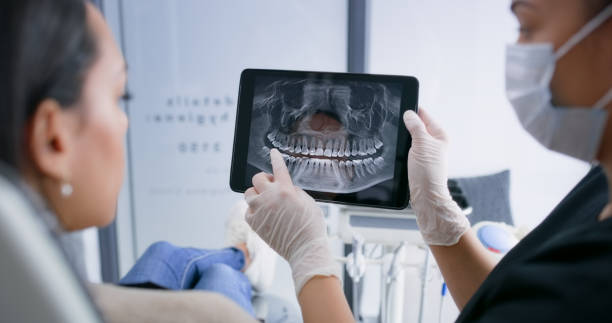
We use imaging to confirm the diagnosis before recommending treatment, not just responding to reported pain. Saving the natural tooth is almost always better than the alternative, so we treat this procedure with real care.
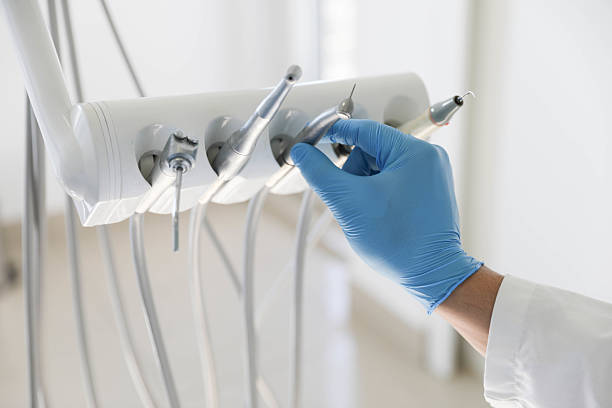
An apex locator helps measure canal length precisely during treatment, reducing guesswork. We'd rather over-image than under-treat a tooth that could still be saved.
We check numbness thoroughly before starting, not just assume the injection worked. If you're still feeling anything, we pause and address it before continuing.
Infected or badly decayed teeth don't wait well, so we prioritize root canal cases for same-week scheduling. We know how miserable this pain can be, which is why we don't make you wait unnecessarily.
We discuss whether a crown is needed after treatment at your very first visit, not as a surprise afterward. Skipping a needed crown is one of the most common reasons a treated tooth fails later.
Every root canal case is a little different depending on which tooth and how advanced the infection is.
Digital X-rays and cold/heat sensitivity testing confirm whether the nerve is infected or just inflamed. This step alone often explains pain patients couldn't previously identify.
An apex locator helps confirm exact canal length, reducing the chance of under- or over-treatment. This is the core of the procedure and where precision matters most.
A properly sealed canal is what keeps bacteria from returning to the treated tooth. We confirm the seal with a follow-up X-ray before moving to restoration.
For teeth with significant structure loss, a post-and-core buildup provides a foundation for the final crown. This step is planned before crown placement, not decided last minute.
A crown protects a root-canal-treated tooth from fracture, since it's more brittle without its nerve supply. Material options are discussed based on which tooth and how much force it takes when chewing.
Retreatment involves reopening the tooth, cleaning it again, and resealing — more involved than the original procedure. We explain honestly whether your specific tooth is still a good save candidate.
Call +1-866-227-2801 and describe the pain — lingering sensitivity, swelling, or throbbing all point us toward the right exam.
Digital X-rays and sensitivity testing confirm whether the nerve is involved and treatment is needed.
We check comfort throughout the procedure rather than assuming the anesthesia is holding.
A crown or filling restores the tooth's strength, with a follow-up to confirm healing.
"They showed me the X-ray and explained exactly why a filling wouldn't be enough. Made the decision easy."
"Crown discussion happened at the first visit, not as a surprise bill after the root canal was already done."
"Two visits total — cleaning and shaping first, crown fitted a couple weeks later. Tooth feels completely normal now."
"Follow-up X-ray confirmed everything sealed properly. Nice to have that confirmation instead of just hoping."
"Pulp testing before treatment confirmed exactly what was going on. No guessing involved."
Lingering pain to hot or cold, especially if it wakes you at night, often points to nerve involvement that a filling can't fix. A filling addresses surface decay; a root canal addresses infection reaching the nerve — imaging tells us which applies.
Modern anesthesia and technique make it far more comfortable than its reputation suggests — most patients report mild discomfort at most. Most patients tell us it was easier than they braced themselves for.
Most cases are completed in one to two visits, depending on the tooth and infection severity. Multi-canal back teeth sometimes take longer than single-canal front teeth.
Often yes, since the tooth becomes more brittle without its nerve supply — we discuss this at your first visit. We plan crown placement into your treatment timeline from day one.
The infection can spread, cause worsening pain and swelling, and eventually require extraction instead of a save. We'd rather treat it now while the tooth is still savable.
Cost depends on which tooth and whether a crown is needed — we give a specific quote after diagnosis, not a vague range. We verify insurance benefits before treatment so you know your out-of-pocket cost.
Smile Center Dentistry provides Root Canal Treatment to patients throughout Drexel Heights and neighboring Drexel Heights, AZ communities, with same-week availability for urgent cases. We coordinate with local oral surgeons for retreatment cases that need it, so you're not searching for a referral yourself.
We'll confirm what's actually happening before recommending treatment.
Call +1-866-227-2801